

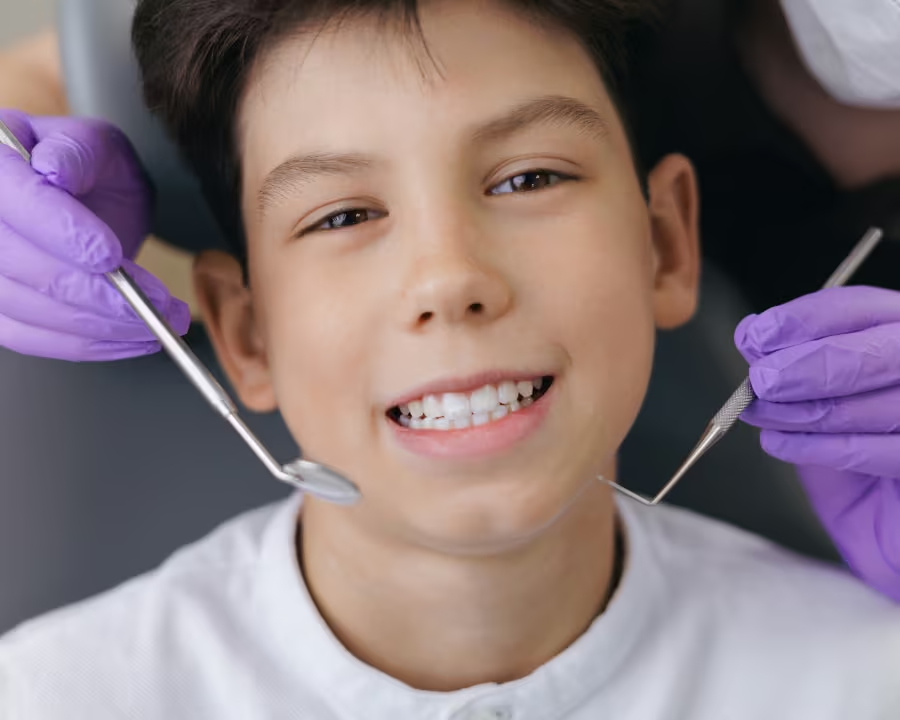
Some orthodontic problems start with the way a child’s jaw is developing, not just with crooked teeth. That is one reason the American Association of Orthodontists recommends an orthodontic evaluation by age 7, when certain bite and jaw-width concerns may be easier to identify and address while a child is still growing.
For some children, treatment may involve a palate expander before braces. This early step can address problems with jaw width, bite alignment, or limited space for incoming permanent teeth. In some cases, creating a better foundation first can make the next stage of orthodontic treatment more straightforward.
Keep reading to learn how palate expanders work, which children may benefit, what parents should know before treatment begins, and where to find the best orthodontist for kids and teens in Culver City.
What Is a Palate Expander and How Does It Work?
A palatal expander is a small orthodontic appliance that fits across the roof of the mouth and attaches to the upper teeth. Its purpose is to gradually widen the upper jaw over time.
Most palate expanders have a small screw in the center of the appliance. A parent or caregiver turns the screw with a special key according to the orthodontist’s instructions. Each turn creates gentle pressure on both sides of the upper jaw.
Because a child’s upper jaw is still developing, the two halves of the palate have not fully fused together. The orthodontic expander slowly creates more space between them, and new bone forms in that area as the jaw widens. After the active expansion phase ends, the appliance usually stays in place for a period of time so the new width can stabilize.
Does My Child Need a Palate Expander?
Not every child needs a palate expander before braces. Orthodontists recommend expanders as part of early orthodontic treatment only when they identify specific concerns that are best treated while the jaw is still growing.
Your child's orthodontist looks beyond crooked teeth during an evaluation. Jaw growth, bite alignment, and available space for incoming permanent teeth all play an important role in determining whether expansion may be beneficial.
Some children who may benefit from a palate expander include those with:
- A narrow palate or upper jaw
- A crossbite
- Moderate to severe crowding caused by limited space
- Permanent teeth that may not have enough room to erupt properly
The goal is not simply to create space. Instead, expansion helps guide healthy jaw development at a time when treatment can often have the greatest impact.
The table below shows how palate expansion can address different orthodontic concerns.
Common Parent Questions About Palate Expanders
Even after learning why an expander is recommended, many parents still have practical questions about what treatment is like. Here are answers to some of the most common ones.
Do Palate Expanders Hurt?
Most children feel pressure rather than pain when the appliance is adjusted. The sensation often lasts only a few minutes after each adjustment, while mild soreness during the first few days typically improves as your child adapts to the appliance.
How Long Do Kids Wear Expanders?
Treatment varies depending on your child's needs, but many children actively wear a palate expander for several months before entering a retention phase. During retention, the appliance stays in place while the newly expanded jaw stabilizes.
Can a Palate Expander Help Avoid Tooth Extractions or Jaw Surgery Later?
In some cases, yes. Creating additional space while the jaw is still developing may reduce the need for more complex orthodontic treatment later. However, no orthodontist can guarantee this outcome. Every child's bite, jaw development, and treatment goals differ, so recommendations always depend on an individual evaluation.
How Will a Palate Expander Affect My Child’s Daily Routine?
Most children adjust quickly and continue their normal routines with only a few temporary changes.
Some helpful tips include:
- Choose softer foods during the first few days after placement or adjustments.
- Brush carefully around the appliance to help prevent plaque buildup.
- Encourage your child to practice speaking if they notice a temporary lisp.
- Ask your orthodontist about wearing a mouthguard during contact sports.
With a little practice, most children adapt to eating, talking, and participating in their favorite activities while wearing an expander.
Choose the Best Orthodontist in Culver City for Your Child's Smile
A palate expander can play an important role in guiding healthy jaw development before braces. Whether used for crossbite treatment, a narrow upper jaw, or to create space for incoming permanent teeth, expansion can help address structural concerns while a child is still growing. An orthodontic evaluation can determine whether an expander fits into your child’s treatment plan and when it makes the most sense to begin.
At West LA Orthodontics, Dr. Jonathan Shouhed believes orthodontic treatment should never be one-size-fits-all. He takes a conservative approach to care, recommending expanders and other treatments only when they are truly necessary for a child's long-term oral health. By combining advanced orthodontic technology with highly personalized treatment planning, Dr. J helps every patient receive safe, effective care tailored to their unique smile.
If you're looking for the best orthodontist in Culver City, schedule a consultation with West LA Orthodontics. From our Culver City office, we proudly serve children and families throughout West Los Angeles with personalized orthodontic care designed around their needs.


%201.svg)


.svg)